#backtotop { padding:5px; position:fixed; bottom: 5px; right: 5px; cursor:pointer; }
Showing posts with label Ancient Egyptian. Show all posts

Tuesday, 20 November 2012

Royal Institute of British Architects

RIBA the Royal Institute of British Architects HQ


The Royal Institute of British Architects (RIBA) building is the centre for professional body architects in the UK. The Royal Institute of British Architects headquarters were 1930s Grade II* listed building designed by architect George Grey Wornum, at 66 Portland Place. The building itself is beautiful Artdeco architecture with touches of Ancient Greek and Egyptian architecture. The Building has two Egyptian style columns from each side of the entrance with statues and engraved writing. The construction is mainly out of stone and glass. It has 3 conference halls as well as halls for exhibitions. During the Open House Day it was on show and had a free pass to see both exhibitions that were on: DESIGN STORIES and 5 BY FIVEDesign Stories exhibition is about the Olympics venues and the 5 By Five that is about the process of designing buildings.

Click Here to go back to the Open House day page.

If you are interested in attending architectural events we would recommend to got to our EVENTS page and check out what is on. 

Sunday, 28 October 2012

Open House day - London

Open House London logo silver key

The Open House weekend is on every year for a weekend. This weekend is when nearly all the buildings  are open to the public. The Open House weekend is held in cities such as New York, Dublin, Galway, Barcelona, Tel Aviv and Jerusalem.


Thomas Heatherwick Bleigiessen

Click here to get more information on this beautiful sculpture designed and made by Thomas Heatherwick and his studio.


RIBA the Royal Institute of British Architects building

The well known RIBA the Royal Institute of British Architects building was also on show on the weekend and had a free pass to see both exhibitions that were on: DESIGN STORIES and 5 BY FIVE. Learn More...


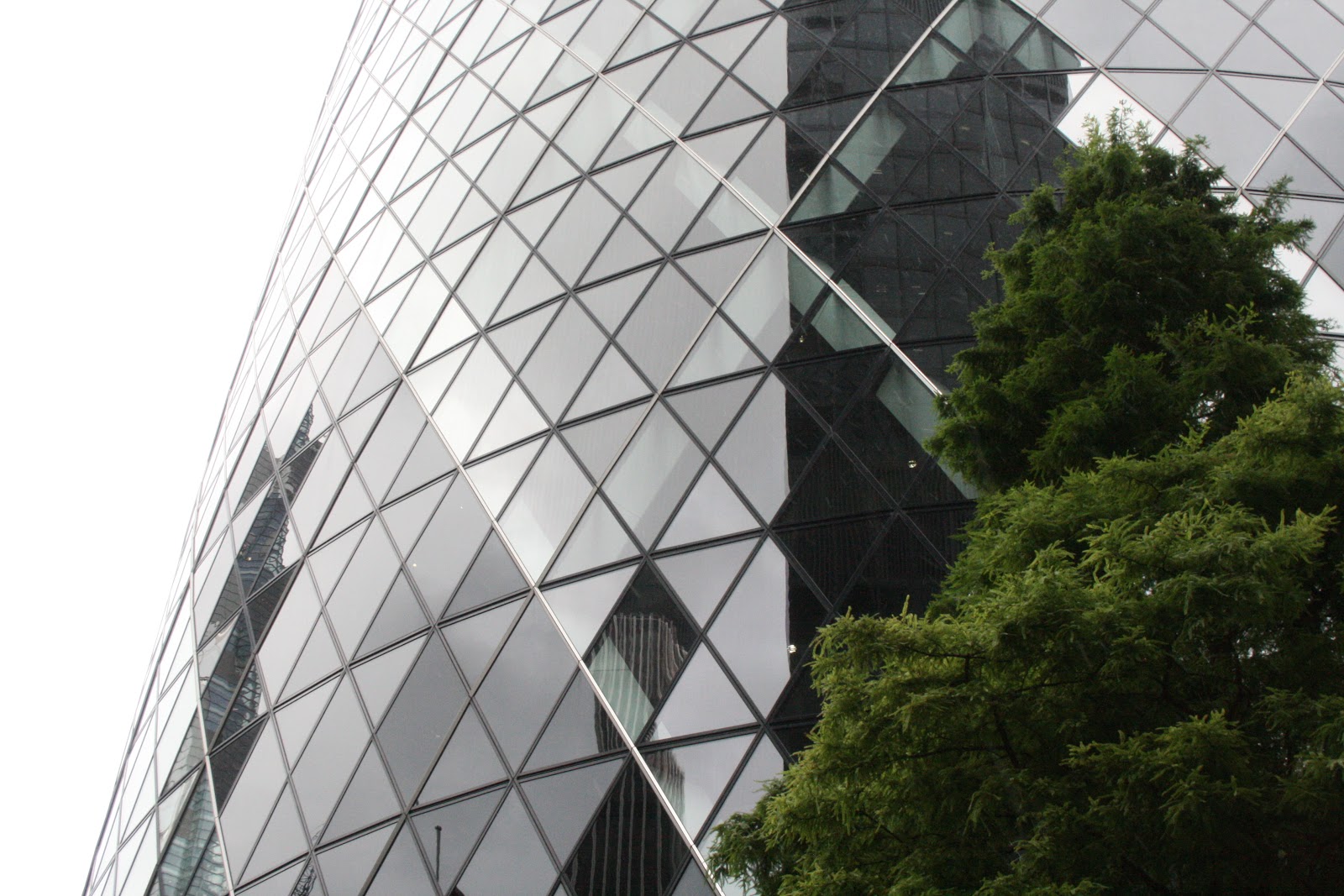
The highlight of the 2012 Open House was the Gherkin which was closed for a couple of years and was reopened this year. Click here to find out more...


Wednesday, 16 May 2012

The Map of Ancient Egypt

Ancient Egypt Map

The Giza Necropolis is located where you can see the three small triangles that represent the pyramids.
Just under that the great city of Cairo is situated. It has great marvels that changed the direction of Architecture.
The three small rectangles that look like a temple represent the Temple of Ur.
Furthermore the city of Alexandria was also very famous for its Lighthouse and the Great library in later stages. 

Giza Necropolis

Giza Necropolis

The Giza pyramids and others are thought to have been constructed to house the remains of the decreased Pharaohs who ruled over the great civilized ancient Egypt. Most construction theories are based on the idea that the pyramids were built by moving huge stones/mud-brick from a quarry and transporting those stones so that they could be lifted and placed into place. The pyramids are made out of mud-brick however was developed and made with stone in later stages. It was constructed so that it has an underground floor to store the tombs and treasure of the Pharaohs to show respect to them. It took 400,000 men 20 years to build.


View Larger Map

Tuesday, 15 May 2012

Types of columns in Ancient Egypt

Columns of ancient Egypt

The Egyptians always liked to decorate their buildings. One of the ways that they done it is that they made columns and made they really colourful so that they would stand out. They usually made columns like a plant to make the building more green and beautiful. However in the later stages of the Egyptian period the Egyptian civilization invented a new idea and made capitals with faces of gods and goddess to praise and show respect to them. In the later history of Architecture columns were one of the most important inventions that changed the world of architecture. 

Ancient Egyptian Architecture

The Temple of Edfu drawing

The Nile valley (River Nile) has been one of the most influential and miraculous civilizations know to architecture, which developed a vast range of miscellaneous structures and buildings. Around about the 3rd Century BC the Egyptians started their own architectural style and started to build temples out of stone instead of mud-brick. They often illustrated figures of men, gods, kings and hieroglyphics on their buildings. That is where the tradition of engraved illustrations on buildings came from. They also were the first civilization to use columns, which in later stages were developed and became one of the most important discoveries made in the history of Architecture.


View Larger Map

Site Search

 
back to top